
Beautiful Ruins
Notes from a poetry workshop that unexpectedly led to a poem

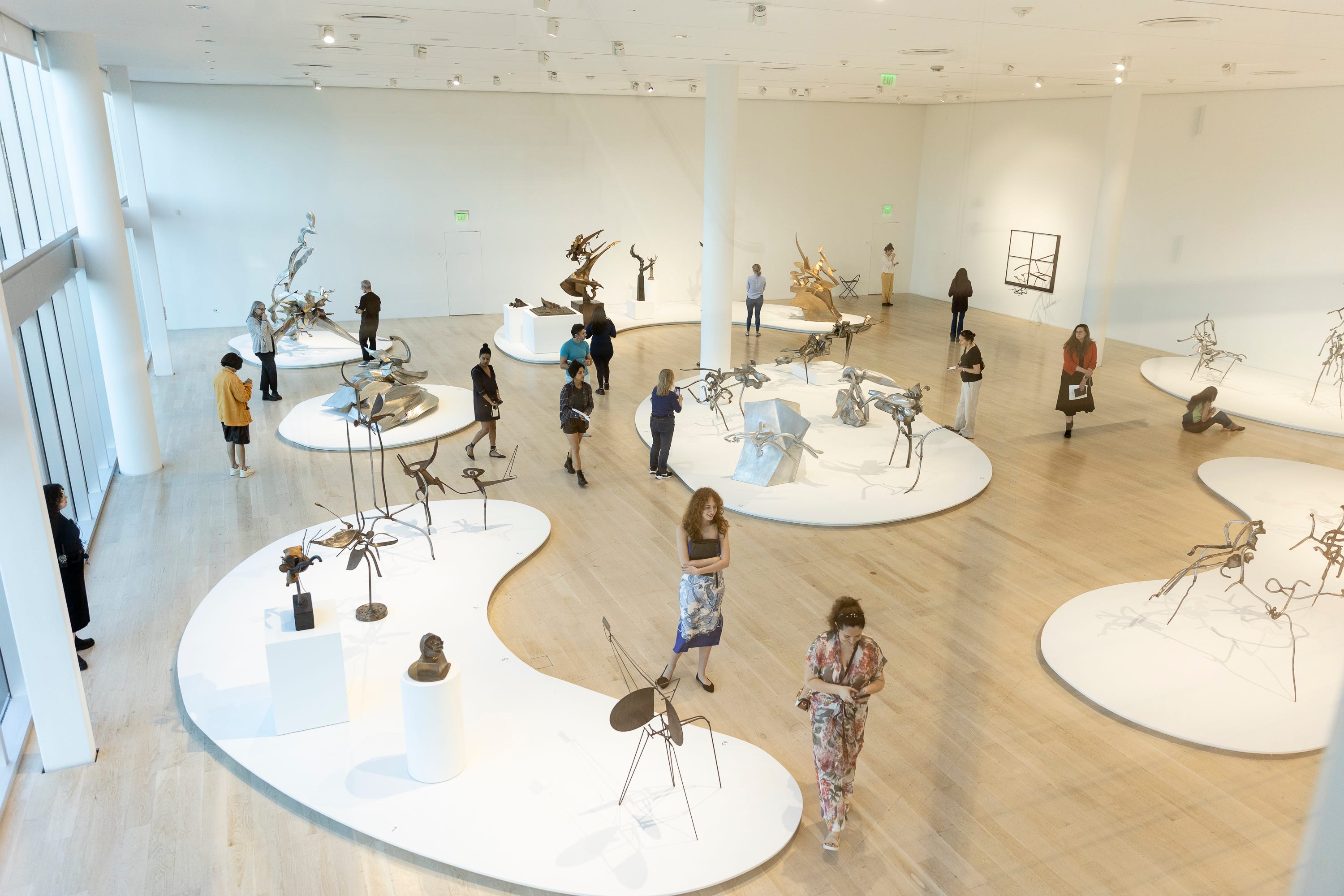
Now, I won’t bother you with the full circumstances from which this poem came to be but, if you are curious how this seemingly impossible (to me) act happened, turn to the end of this missive.
Beautiful Ruins
If the shore could tell its stories, it would be
of the bent figures who move slowly along its edge,
gathering stones that the ocean has edited
— rounded edges, whitened bones, marked by
the reddish veins of the earth nearby.
The vase; small, black and white,
the vessel pieced together by these stones,
that remember that water.
It is small, contained. It stands without leaning
on explanation. The scar along its left side
is less a damage than a seam, a place
where what was once scattered agreed
to remain together. What belonged to another
time is not erased; it is contained.
The missing bits are now the link to the unseen.
Released from use, it rests in its own authority,
holding a larger history.
It contains what it resisted,
and makes room for the future.
I imagine lifting it,
cupping its weight,
filling it with breath.
And I think:
Could the meeting between a person and an object
be the beginning of a story?
I signed up for a poetry workshop and kept wondering what exactly I thought I was doing there. But because it involved spending time with artworks, the possibility of writing a poem felt slightly less improbable to me. A wonderful poet, Simone Zapata (1) led the session and, crucially, had prompts ready for us to respond to while observing the works around us.
She suggested we use stream of consciousness rather than overthinking. “Just let the ideas come and write them down.”
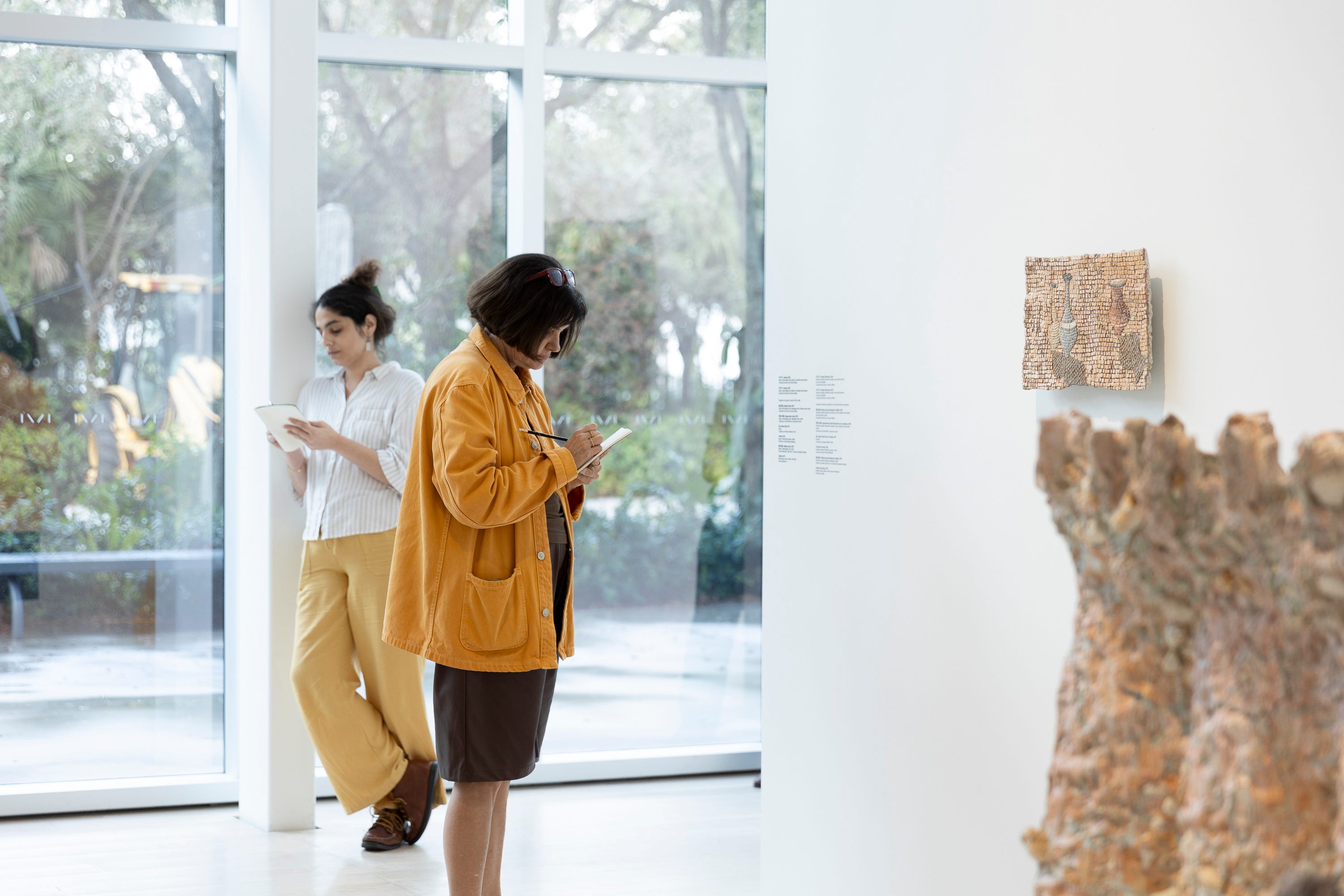
A beautiful zine, Sites of Encounter: An Ekphrastic Poetry Zine (2) came out of the afternoon, along with photographs of our time together that were later sent to all of us who participated.

Great stuff, Carmen. Reading your poem reminded me of the course we took with An where she had suggested that art criticism could be a poem. While you describe the piece in your ekphrastic poem you also make it more than description by referring to its "authority" and providing an emotional, experiential note to being with the work. Glad you enjoyed the course. I hope a future post will include pictures of the zine too!